
Exploring Floral Inspiration in Oil Painting
- Yulia Lisle
- Oct 15, 2025
- 4 min read
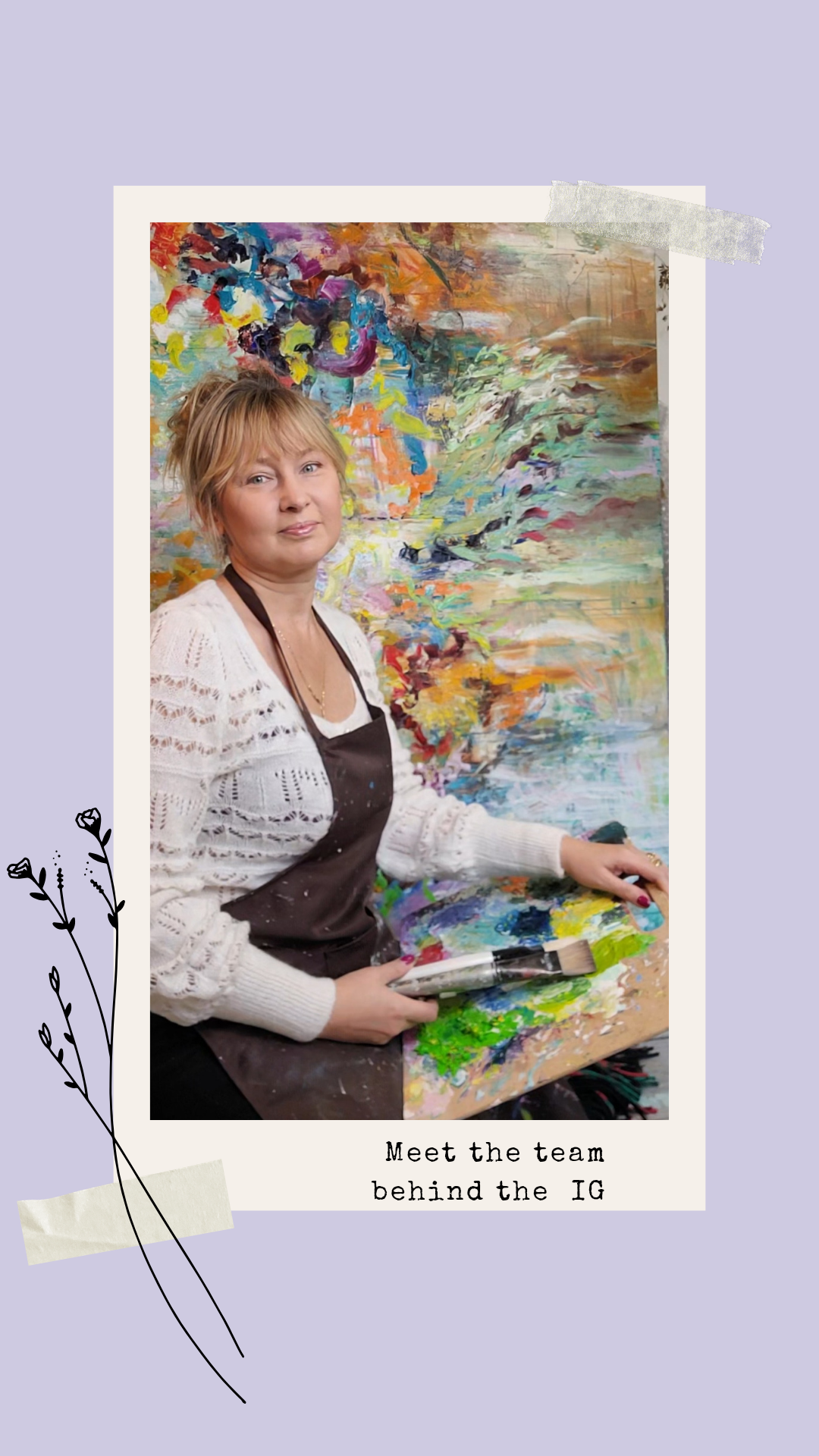
Flowers have long been a source of inspiration for artists. Their vibrant colors, intricate shapes, and delicate textures make them a perfect subject for oil painting. In this blog post, we will explore how floral themes can enhance your oil painting practice. We will look at techniques, famous artists, and tips to help you capture the beauty of flowers on canvas.
The Allure of Floral Subjects
Floral subjects are captivating for many reasons. They evoke emotions, symbolize various meanings, and can transform a simple canvas into a vibrant masterpiece. Flowers can represent love, beauty, and even transience. This emotional connection makes them a popular choice for artists.
When you paint flowers, you are not just capturing their physical appearance. You are also conveying feelings and stories. This duality adds depth to your work. Whether you choose to paint a single bloom or a lush bouquet, the possibilities are endless.
Techniques for Painting Flowers
To effectively capture the essence of flowers in oil painting, you need to master a few techniques. Here are some essential methods to consider:
1. Color Mixing
Understanding color mixing is crucial for painting flowers. Flowers come in various shades and hues. To create realistic representations, you need to mix colors effectively. Start with a basic palette of primary colors. From there, you can create secondary and tertiary colors to match the flowers you are painting.
2. Layering
Oil paint allows for layering, which is perfect for creating depth. Begin with a base layer of color. Once it dries, add additional layers to build texture and dimension. This technique can help you achieve the soft gradients often seen in flower petals.
3. Brush Techniques
Different brush techniques can create various effects. For instance, a flat brush can be used for broad strokes, while a round brush is great for details. Experiment with different brushes to find the ones that work best for your style.
4. Light and Shadow
Understanding light and shadow is essential for creating realistic flowers. Observe how light interacts with the petals. Use lighter colors for highlights and darker shades for shadows. This contrast will give your flowers a three-dimensional appearance.
Famous Floral Oil Paintings
Many renowned artists have found inspiration in flowers. Their works can serve as a guide for your own floral paintings. Here are a few notable examples:
Vincent van Gogh
Vincent van Gogh is famous for his vibrant floral paintings. His work "Sunflowers" is a prime example. The bold yellows and expressive brush strokes capture the essence of the flowers beautifully. Van Gogh's ability to convey emotion through color and form is something every artist can learn from.
Claude Monet
Claude Monet's "Water Lilies" series showcases his unique approach to floral subjects. He focused on the interplay of light and color, creating dreamy landscapes filled with flowers. Monet's use of loose brushwork and soft colors can inspire you to experiment with your own style.
Georgia O'Keeffe
Georgia O'Keeffe is known for her large-scale flower paintings. Her work often emphasizes the beauty of individual blooms. O'Keeffe's ability to simplify forms and use bold colors can encourage you to explore abstraction in your floral paintings.
Tips for Capturing Floral Beauty
To create stunning floral oil paintings, consider these practical tips:
1. Start with Sketches
Before diving into painting, create sketches of your floral subjects. This will help you understand their shapes and proportions. Sketching can also serve as a warm-up exercise to get your creative juices flowing.
2. Use Reference Photos
If you cannot paint from life, use reference photos. Take your own pictures of flowers or find high-quality images online. This will help you capture details and colors accurately.
3. Experiment with Composition
Composition is key in any painting. Try different arrangements of flowers to see what works best. You can create a balanced composition by placing flowers at various angles and distances.
4. Practice Patience
Oil painting requires patience. Allow each layer to dry before adding more details. This will prevent muddy colors and help you achieve a polished look.
The Emotional Connection to Flowers
Flowers have a unique ability to evoke emotions. When you paint them, you are not just creating art; you are expressing feelings. Consider what flowers mean to you. Do they remind you of a special moment or person? Infuse your personal experiences into your paintings.
Symbolism in Floral Art
Different flowers carry different meanings. For example, roses symbolize love, while lilies represent purity. Incorporating these symbols into your work can add layers of meaning. Think about the message you want to convey through your floral paintings.
Creating a Floral Still Life
A floral still life is a great way to practice your oil painting skills. Here’s how to set one up:
1. Choose Your Flowers
Select a variety of flowers with different shapes and colors. This will create visual interest in your composition.
2. Arrange the Flowers
Place the flowers in a vase or container. Experiment with different arrangements until you find one that feels balanced and appealing.
3. Set Up Your Workspace
Ensure you have good lighting in your workspace. Natural light is ideal, but you can also use artificial lights to illuminate your still life.
4. Start Painting
Begin with a light sketch of your arrangement. Then, layer your oil paints, focusing on one flower at a time. Remember to take breaks and step back to assess your work.
The Joy of Floral Painting
Painting flowers can be a joyful experience. It allows you to connect with nature and express your creativity. Whether you are a beginner or an experienced artist, floral painting offers endless opportunities for exploration.
Finding Your Style
As you practice, you will develop your own style. Embrace it. Experiment with different techniques and approaches. Your unique perspective will shine through in your work.
Conclusion: Blooming Creativity
Floral inspiration in oil painting is a journey of discovery. By exploring techniques, studying famous artists, and embracing your emotions, you can create beautiful floral artworks. Remember to enjoy the process and let your creativity bloom. Happy painting!


Comments