
Techniques for Creating Textured Floral Art
- Yulia Lisle
- Oct 15, 2025
- 5 min read
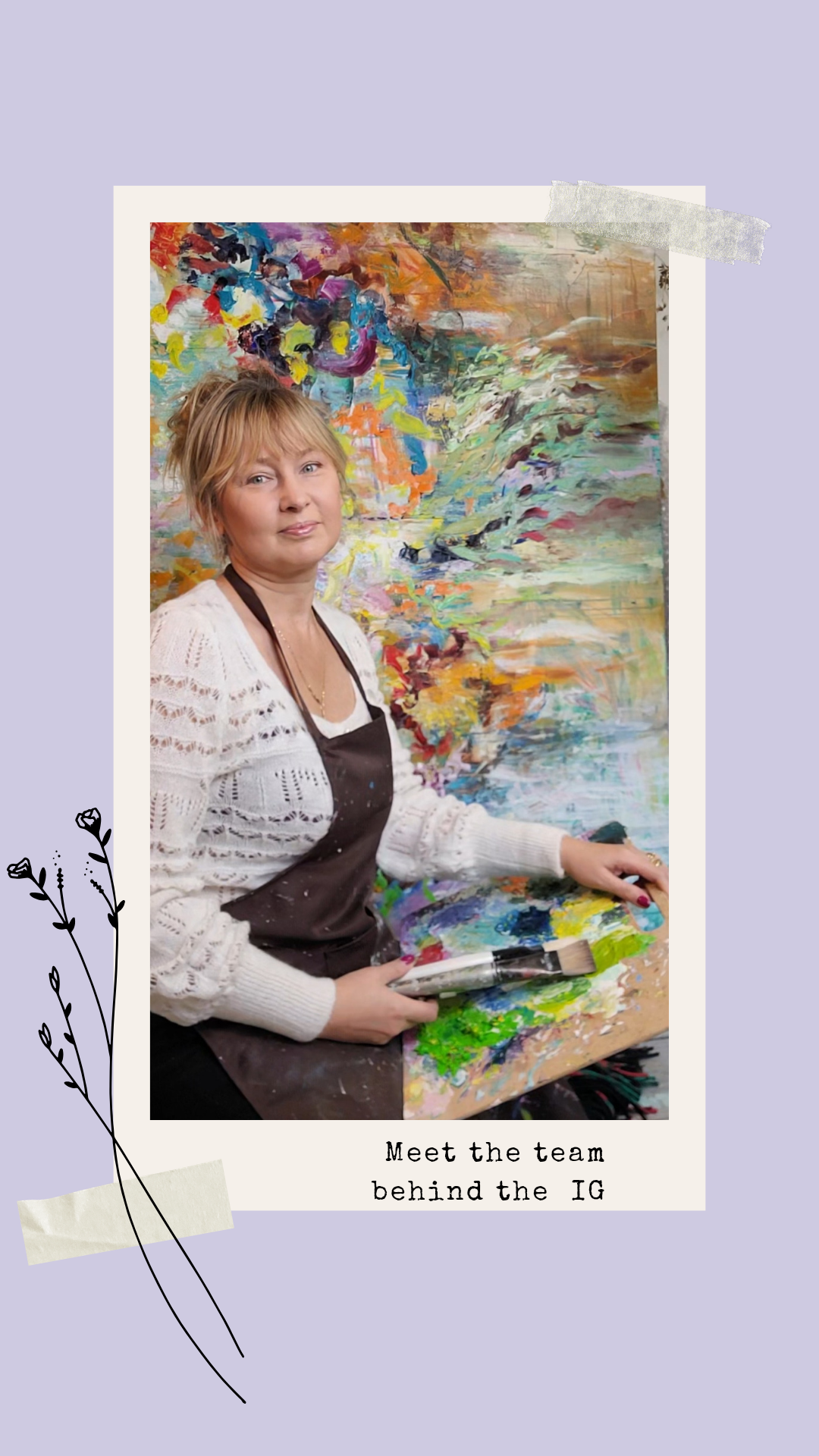
Creating textured floral art is a delightful way to express creativity. Whether you are a seasoned artist or a beginner, adding texture to your floral pieces can elevate your work. In this post, we will explore various techniques that can help you create stunning textured floral art.
Textured art adds depth and interest to your pieces. It invites viewers to engage with the artwork on a different level. By using different materials and methods, you can create unique floral designs that stand out.
Let’s dive into some effective techniques for creating textured floral art.
Understanding Texture in Art
Texture refers to the surface quality of an artwork. It can be tactile (how it feels) or visual (how it looks). In floral art, texture can enhance the beauty of flowers and foliage.
Types of Texture
Tactile Texture: This is the actual feel of the surface. For example, a rough canvas or a smooth piece of paper can create different tactile experiences.
Visual Texture: This is the illusion of texture created through techniques like painting or drawing. It can make a flat surface appear three-dimensional.
Understanding these types of texture is essential for creating floral art that captivates the viewer.
Choosing Your Materials
The materials you choose can significantly impact the texture of your floral art. Here are some popular options:
Acrylic Paints: These are versatile and can be used to create both smooth and textured surfaces.
Oil Paints: Known for their rich texture, oil paints can be layered to create depth.
Mixed Media: Combining different materials like paper, fabric, and paint can add unique textures.
Textured Pastes: These can be applied to surfaces to create a raised effect.
Selecting the right materials is the first step in your textured floral art journey.
Techniques for Creating Texture
Now that you have a grasp of texture and materials, let’s explore some techniques to create textured floral art.
1. Layering Paint
Layering is a fundamental technique in creating texture. By applying multiple layers of paint, you can build depth in your floral art.
How to Layer: Start with a base layer of paint. Once it dries, add another layer using a different color or technique.
Example: For a rose, you might start with a light pink base, then add darker shades to create shadows and highlights.
Layering not only adds texture but also enhances the overall look of your flowers.
2. Using Palette Knives
Palette knives are excellent tools for creating texture. They allow you to apply paint in a way that brushes cannot.
How to Use: Dip the palette knife in paint and apply it to the canvas. You can create thick strokes or even scrape away paint for a different effect.
Example: Use a palette knife to create the petals of a flower. The thick application can mimic the natural texture of petals.
This technique can add a dynamic quality to your floral art.
3. Incorporating Collage Elements
Collage is a fantastic way to add texture and interest to your artwork. By incorporating different materials, you can create a unique floral piece.
How to Collage: Use paper, fabric, or other materials. Glue them onto your canvas and paint over them for a cohesive look.
Example: Use pieces of textured paper to create leaves or petals. This adds a tactile element to your flowers.
Collage can transform a simple floral piece into a multi-dimensional work of art.
4. Experimenting with Textured Pastes
Textured pastes are a great way to add dimension to your floral art. They can be applied in various ways to create different effects.
How to Use Textured Pastes: Apply the paste with a palette knife or brush. You can create raised areas or smooth textures.
Example: Use a coarse paste to create the center of a sunflower. The texture will make it stand out.
Textured pastes can add a professional touch to your floral art.
5. Dry Brushing Technique
Dry brushing is a technique that involves using a dry brush to apply paint. This creates a soft, textured effect.
How to Dry Brush: Dip a dry brush into paint and remove excess paint. Lightly drag the brush over the surface.
Example: Use dry brushing on flower petals to create a soft, delicate look.
This technique can add a subtle texture that enhances your floral art.
Color Choices and Their Impact
Color plays a crucial role in textured floral art. The right colors can enhance the texture and overall feel of your piece.
Choosing a Color Palette
Complementary Colors: These colors are opposite each other on the color wheel. They create contrast and can make textures pop.
Analogous Colors: These colors are next to each other on the color wheel. They create harmony and can enhance the texture without overwhelming the viewer.
Selecting a thoughtful color palette can elevate your textured floral art.
Adding Final Touches
Once you have created your textured floral art, it is time to add the final touches.
Varnishing Your Artwork
Varnishing can protect your artwork and enhance its texture.
How to Varnish: Use a clear varnish to coat your artwork. This will give it a finished look and protect it from dust and damage.
Example: A glossy varnish can enhance the colors and textures, making your flowers appear vibrant.
Final touches can make a significant difference in the presentation of your artwork.
Displaying Your Textured Floral Art
Once your artwork is complete, displaying it properly is essential.
Framing Options
Shadow Box Frames: These frames allow for depth and can showcase the texture beautifully.
Floating Frames: These frames give the illusion that your artwork is floating, highlighting the texture.
Choosing the right frame can enhance the overall impact of your textured floral art.
Inspiration from Nature
Nature is a fantastic source of inspiration for textured floral art. Observing real flowers can help you understand their textures and colors.
Nature Walks
Take a walk in a garden or park. Observe the different textures of flowers and leaves.
What to Look For: Pay attention to the smoothness of petals, the roughness of stems, and the intricate details of leaves.
Nature can provide endless inspiration for your textured floral art.
Engaging with the Art Community
Connecting with other artists can provide valuable insights and inspiration.
Joining Art Groups
Consider joining local or online art groups.
Benefits: You can share your work, receive feedback, and learn new techniques from others.
Engaging with the art community can enhance your skills and inspire your creativity.
Final Thoughts on Textured Floral Art
Creating textured floral art is a rewarding experience. By experimenting with different techniques and materials, you can develop your unique style.
Remember to embrace the process and enjoy the journey of creating. Each piece you create is a step toward mastering the art of texture.
So grab your materials, let your creativity flow, and start creating beautiful textured floral art today!


Comments